Why Study in Switzerland?
Switzerland is home to some of the world’s most respected universities, business schools, and hospitality institutions.
It offers a safe environment, high quality of life, and degrees that are recognized globally—especially in business,
finance, hospitality, engineering, and science.
Swiss education emphasizes quality, precision, and practical learning. Many programs are offered in English, particularly at master’s level and in business or hospitality, while others are taught in German, French, or Italian depending on the region.
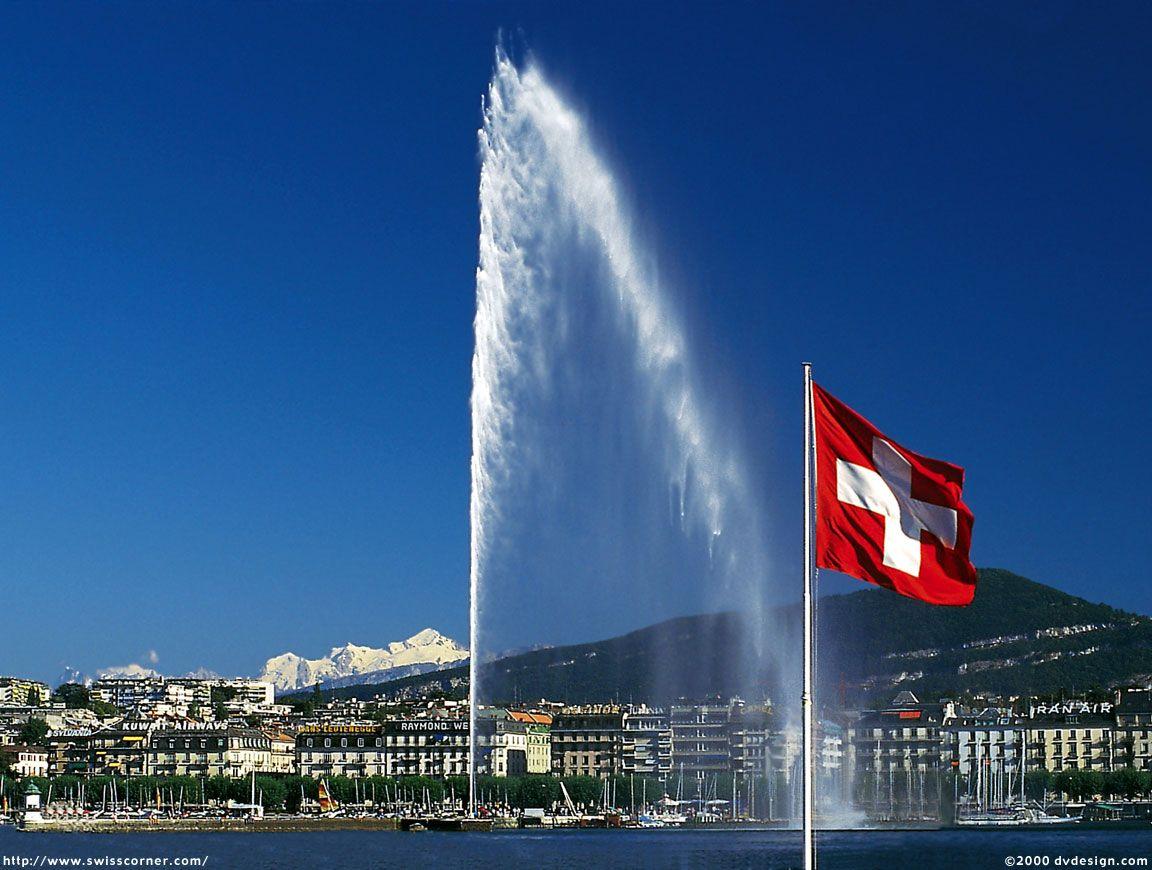
Cities such as Zurich, Geneva, Lausanne, Bern, Basel, and Lucerne provide modern campuses, strong links to international organizations and companies, and stunning natural surroundings with mountains and lakes.
Swiss education emphasizes quality, precision, and practical learning. Many programs are offered in English, particularly at master’s level and in business or hospitality, while others are taught in German, French, or Italian depending on the region.
Cities such as Zurich, Geneva, Lausanne, Bern, Basel, and Lucerne provide modern campuses, strong links to international organizations and companies, and stunning natural surroundings with mountains and lakes.
🏔️
High Quality & Global Reputation
Swiss universities and hospitality schools are known for academic excellence, strong rankings, and high graduate employability.
💼
Career & Internship Opportunities
Many programs include internships and strong links to banks, multinational companies, hospitality groups, and international organizations.
🌍
Safe, Multilingual & Central in Europe
Switzerland is very safe, with excellent public transport and four national languages. It is an ideal base to explore the rest of Europe.
Popular Fields & Career Paths in Switzerland
• Business, Finance & Management: Banking, international business, finance, marketing, luxury management.
• Hospitality & Tourism Management: Hotel management, events, tourism, luxury hospitality.
• Engineering & Technology: Mechanical, electrical, robotics, civil, environmental, and materials engineering.
• Computer Science & Data: Computer science, AI, data science, cybersecurity, software engineering.
• Life Sciences & Health: biotechnology, pharmaceutical sciences, medical technology.
• International Relations & Social Sciences: international affairs, political science, European studies, sustainability.
• Hospitality & Tourism Management: Hotel management, events, tourism, luxury hospitality.
• Engineering & Technology: Mechanical, electrical, robotics, civil, environmental, and materials engineering.
• Computer Science & Data: Computer science, AI, data science, cybersecurity, software engineering.
• Life Sciences & Health: biotechnology, pharmaceutical sciences, medical technology.
• International Relations & Social Sciences: international affairs, political science, European studies, sustainability.
Note: Many Swiss programs include internships, projects with companies, and access to international organizations (especially in Geneva).
Education System & Tuition Fees
Switzerland’s higher education system includes several institution types:
• Public Universities & Federal Institutes of Technology: Research-focused institutions such as ETH Zurich, EPFL, and cantonal universities (Zurich, Geneva, Lausanne, etc.) offering bachelor’s, master’s, and PhD programs.
• Universities of Applied Sciences (UAS / HES / SUP): Practice-oriented institutions with strong links to industry, offering professional bachelor’s and master’s degrees with internships and applied projects.
• Universities of Teacher Education: Institutions focused on training school teachers and education specialists.
• Private & Specialized Schools: Independent institutions, especially in business, hospitality, and arts & design, often with higher tuition and small classes.
Tuition fees for non-EU/EFTA international students vary by institution and program. Approximate annual ranges (in CHF) are:
Many institutions offer limited scholarships, tuition reductions, or paid internships to help offset the higher cost of living. GAC helps you compare options based on your budget and career goals.
• Public Universities & Federal Institutes of Technology: Research-focused institutions such as ETH Zurich, EPFL, and cantonal universities (Zurich, Geneva, Lausanne, etc.) offering bachelor’s, master’s, and PhD programs.
• Universities of Applied Sciences (UAS / HES / SUP): Practice-oriented institutions with strong links to industry, offering professional bachelor’s and master’s degrees with internships and applied projects.
• Universities of Teacher Education: Institutions focused on training school teachers and education specialists.
• Private & Specialized Schools: Independent institutions, especially in business, hospitality, and arts & design, often with higher tuition and small classes.
Tuition fees for non-EU/EFTA international students vary by institution and program. Approximate annual ranges (in CHF) are:
Public Universities (Bachelor’s & Master’s)
Approx. CHF 1,000 – CHF 4,000 per year for many programs. Some specialized fields (e.g. MBA, medicine) can be higher.
Approx. CHF 1,000 – CHF 4,000 per year for many programs. Some specialized fields (e.g. MBA, medicine) can be higher.
Universities of Applied Sciences (Bachelor’s)
Approx. CHF 7,000 – CHF 16,000 per year, depending on canton, program, and lab/industry components.
Approx. CHF 7,000 – CHF 16,000 per year, depending on canton, program, and lab/industry components.
Universities of Applied Sciences (Master’s)
Approx. CHF 8,000 – CHF 18,000 per year, especially for professional master’s with internships or projects.
Approx. CHF 8,000 – CHF 18,000 per year, especially for professional master’s with internships or projects.
Private Hospitality & Business Schools
Approx. CHF 20,000 – CHF 45,000+ per year, often including practical training and paid internships.
Approx. CHF 20,000 – CHF 45,000+ per year, often including practical training and paid internships.
Foundation / Pathway & Language Programs
Approx. CHF 10,000 – CHF 25,000 per year, depending on duration and support level.
Approx. CHF 10,000 – CHF 25,000 per year, depending on duration and support level.
Many institutions offer limited scholarships, tuition reductions, or paid internships to help offset the higher cost of living. GAC helps you compare options based on your budget and career goals.
Admission Requirements for International Students
Requirements vary by institution, canton, and language of instruction, but generally include:
Bachelor’s Programs
• Completed secondary school (equivalent to Swiss Matura) or recognized international diploma (e.g. A-Levels, IB).
• Minimum grades and subject requirements (math/sciences for technical fields).
• Language proof: English test for English-taught programs, or German/French/Italian for local-language programs.
• Motivation letter and CV (many programs).
• Sometimes entrance exams, portfolio (design/arts), or interview depending on institution.
• Completed secondary school (equivalent to Swiss Matura) or recognized international diploma (e.g. A-Levels, IB).
• Minimum grades and subject requirements (math/sciences for technical fields).
• Language proof: English test for English-taught programs, or German/French/Italian for local-language programs.
• Motivation letter and CV (many programs).
• Sometimes entrance exams, portfolio (design/arts), or interview depending on institution.
Master’s Programs
• Recognized bachelor’s degree in a related field.
• Competitive GPA and strong academic background.
• English or local language test results (if previous studies not in that language).
• CV / résumé and motivation letter (SOP).
• Recommendation letters, research proposal, or portfolio for specific programs.
• Recognized bachelor’s degree in a related field.
• Competitive GPA and strong academic background.
• English or local language test results (if previous studies not in that language).
• CV / résumé and motivation letter (SOP).
• Recommendation letters, research proposal, or portfolio for specific programs.
English & Local Language Requirements
Many Swiss programs for international students are taught in English, especially at master’s level. Others are in German, French, or Italian.
Exact scores depend on the university and program. GAC helps you confirm the latest requirements before applying.
English Tests
IELTS, TOEFL iBT, PTE Academic, or equivalent. Typical minimums are around IELTS 6.0–6.5 / TOEFL 80–90+.
IELTS, TOEFL iBT, PTE Academic, or equivalent. Typical minimums are around IELTS 6.0–6.5 / TOEFL 80–90+.
German / French / Italian
For local-language programs, universities may require exams such as TestDaF, telc, or other recognized certificates at B2–C1 level.
For local-language programs, universities may require exams such as TestDaF, telc, or other recognized certificates at B2–C1 level.
Exact scores depend on the university and program. GAC helps you confirm the latest requirements before applying.
Main Intakes & Deadlines
Most Swiss institutions follow these main start dates:
Application deadlines for non-EU students are usually several months before the start date. GAC helps you plan ahead for documents, application, and visa processing.
Autumn / Fall Semester
Starts around September; main intake with most programs open.
Starts around September; main intake with most programs open.
Spring Semester
Starts around February; some programs admit new students in this semester.
Starts around February; some programs admit new students in this semester.
Application deadlines for non-EU students are usually several months before the start date. GAC helps you plan ahead for documents, application, and visa processing.
Documents Checklist for Switzerland Applications
Prepare clear, scanned copies of:
Academic & Identity
• Passport (valid for the duration of your studies).
• Academic transcripts and school/bachelor’s certificates.
• Grading scale or explanation (if not standard).
• Language test certificates (English and/or local language).
• Passport (valid for the duration of your studies).
• Academic transcripts and school/bachelor’s certificates.
• Grading scale or explanation (if not standard).
• Language test certificates (English and/or local language).
Supporting Documents
• CV / résumé.
• Motivation letter / statement of purpose.
• Recommendation letters (especially for master’s).
• Portfolio (for design, architecture, or arts programs, if required).
• CV / résumé.
• Motivation letter / statement of purpose.
• Recommendation letters (especially for master’s).
• Portfolio (for design, architecture, or arts programs, if required).
Financial & Visa
• Proof of sufficient funds for living costs and tuition.
• Scholarship or sponsorship letters (if any).
• Health insurance arrangements (according to Swiss regulations).
• Proof of sufficient funds for living costs and tuition.
• Scholarship or sponsorship letters (if any).
• Health insurance arrangements (according to Swiss regulations).
Living Costs in Switzerland
Switzerland is one of the more expensive study destinations in Europe. Actual costs depend on the city (Zurich and Geneva are usually more expensive). Typical monthly ranges are:
Average total monthly cost is usually in the range of CHF 1,800 – CHF 2,800+. GAC helps students plan a realistic budget according to their chosen city and lifestyle.
Accommodation
Approx. CHF 700 – CHF 1,500 per month depending on city and housing type (student residence vs. private room).
Approx. CHF 700 – CHF 1,500 per month depending on city and housing type (student residence vs. private room).
Food & Groceries
Around CHF 300 – CHF 500 per month, depending on whether you cook or eat out often.
Around CHF 300 – CHF 500 per month, depending on whether you cook or eat out often.
Health Insurance
Typically CHF 250 – CHF 450 per month for mandatory health insurance (varies by provider and coverage).
Typically CHF 250 – CHF 450 per month for mandatory health insurance (varies by provider and coverage).
Transport & Personal
Around CHF 150 – CHF 300 per month for local transport, phone, study materials, and personal expenses.
Around CHF 150 – CHF 300 per month for local transport, phone, study materials, and personal expenses.
Average total monthly cost is usually in the range of CHF 1,800 – CHF 2,800+. GAC helps students plan a realistic budget according to their chosen city and lifestyle.
Work During and After Studies
• Part-time Work: Non-EU/EFTA students are usually allowed to work a limited number of hours per week (often up to 15 hours during semester and full-time in holidays) after a certain period of stay, subject to current regulations.
• Internships: Many Swiss programs include compulsory or optional internships with companies, banks, hotels, or international organizations.
• Post-Study Options: Graduates from Swiss institutions may apply for a temporary residence permit to look for a job in Switzerland for a limited period, according to current immigration rules.
• Internships: Many Swiss programs include compulsory or optional internships with companies, banks, hotels, or international organizations.
• Post-Study Options: Graduates from Swiss institutions may apply for a temporary residence permit to look for a job in Switzerland for a limited period, according to current immigration rules.
Benefits of Applying Through Global Admission Connect (GAC)
GAC supports you throughout your Switzerland application journey:
1. Program & School Matching
Advice on choosing between public universities, UAS, and private hospitality/business schools based on your goals.
Advice on choosing between public universities, UAS, and private hospitality/business schools based on your goals.
2. Application & Scholarship Guidance
Help with online applications, documents, essays, and basic scholarship or discount options where available.
Help with online applications, documents, essays, and basic scholarship or discount options where available.
3. Visa & Pre-Departure Support
General guidance on Swiss study visa procedures, insurance, budgeting, and arrival planning.
General guidance on Swiss study visa procedures, insurance, budgeting, and arrival planning.
How to Apply to Study in Switzerland with GAC
• Register in the GAC Portal – Create your student profile in Global Admission Connect.
• Shortlist Programs & Cities – Choose your field, level, and preferred Swiss city or region.
• Check Entry & Language Requirements – Based on your chosen universities and schools.
• Prepare Documents – Use the documents checklist above to get everything ready.
• Submit Applications – Apply through GAC to partner institutions and follow their instructions.
• Receive Offer & Arrange Visa – Pay deposits if required and prepare financial/insurance documents for the visa.
• Travel to Switzerland – Attend orientation, register with local authorities, and start your program.
• Shortlist Programs & Cities – Choose your field, level, and preferred Swiss city or region.
• Check Entry & Language Requirements – Based on your chosen universities and schools.
• Prepare Documents – Use the documents checklist above to get everything ready.
• Submit Applications – Apply through GAC to partner institutions and follow their instructions.
• Receive Offer & Arrange Visa – Pay deposits if required and prepare financial/insurance documents for the visa.
• Travel to Switzerland – Attend orientation, register with local authorities, and start your program.